In the fast-paced world of modern healthcare, accurate and efficient record-keeping is more than a regulatory requirement—it’s the backbone of quality patient care, financial stability, and operational success. At the heart of this evolution is clinical documentation improvement software, a powerful tool designed to refine how medical information is captured, analyzed, and utilized. This technology leverages advanced algorithms, artificial intelligence (AI), and natural language processing (NLP) to bridge gaps in documentation, ensuring that patient records reflect the true complexity of their conditions. By doing so, it not only minimizes errors but also streamlines workflows, ultimately transforming healthcare delivery. As healthcare providers grapple with increasing demands for precision and speed, understanding the role of clinical documentation improvement software becomes essential for staying ahead.
What Is Clinical Documentation Improvement Software?
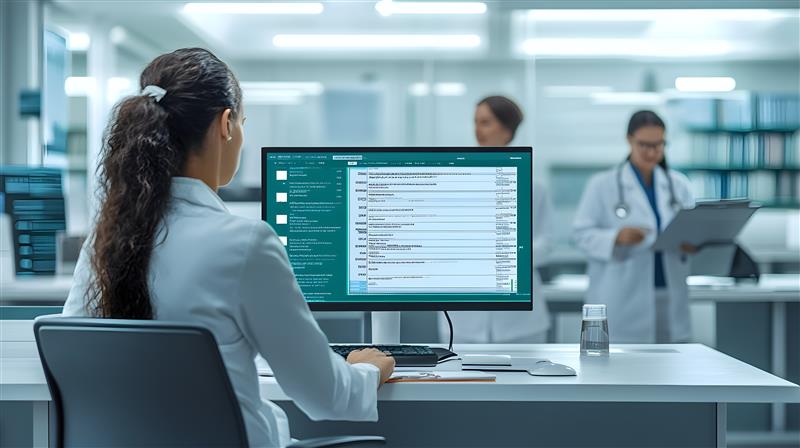
Clinical documentation improvement software, often abbreviated as CDI software, refers to specialized platforms that assist healthcare professionals in enhancing the quality and completeness of medical records. These systems go beyond basic electronic health records (EHRs) by actively identifying inconsistencies, suggesting clarifications, and automating routine tasks. For instance, CDI software can scan clinical notes in real-time, flagging ambiguous language or missing details that could affect diagnosis coding and treatment plans. Key features include automated query generation, where the software prompts physicians for additional information without disrupting their workflow, and integration with existing EHR systems for seamless data flow.
The rise of AI in these tools has been a game-changer. AI-powered CDI software analyzes vast amounts of clinical data to predict potential documentation issues, such as underreported severity of illness or overlooked comorbidities. This proactive approach ensures that records are not only accurate but also compliant with standards like ICD-10 and CPT coding. According to industry insights, effective use of CDI software can lead to significant improvements in case mix index (CMI), which directly impacts reimbursement rates from insurers. In essence, clinical documentation improvement software acts as a virtual assistant, empowering clinicians to focus more on patient interaction rather than paperwork.
Enhancing Accuracy in Healthcare Documentation
One of the primary ways clinical documentation improvement software transforms healthcare is by boosting accuracy. Inaccurate documentation can lead to misdiagnoses, inappropriate treatments, and denied claims, costing hospitals millions annually. CDI software addresses this by employing NLP to interpret unstructured data—such as physician notes—and cross-referencing it with structured data like lab results or imaging reports. For example, if a patient’s record mentions “shortness of breath” without specifying underlying causes like heart failure, the software can highlight this gap and suggest queries to clarify.
This accuracy extends to compliance and risk management. With regulations from bodies like the Centers for Medicare & Medicaid Services (CMS) emphasizing precise documentation for quality metrics, CDI software helps avoid penalties by ensuring records support reported quality measures. Studies show that facilities using advanced CDI tools experience fewer audit failures and improved patient safety scores. By reducing human error—such as vague terminology or incomplete histories—clinical documentation improvement software fosters a culture of precision, where every entry contributes to better clinical decision-making and outcomes.
Moreover, in an era of value-based care, accurate documentation is crucial for demonstrating the true acuity of patient populations. CDI software enables better risk adjustment, ensuring that healthcare organizations are fairly compensated for treating complex cases. This not only supports financial health but also encourages thorough care planning, ultimately benefiting patients through more tailored interventions.
Boosting Efficiency in Healthcare Operations
Efficiency is another cornerstone where clinical documentation improvement software shines. Traditional documentation processes are often time-consuming, involving manual reviews by clinical documentation specialists (CDS) who sift through charts for potential
improvements. CDI software automates much of this, prioritizing charts based on high-impact opportunities, such as those with potential for revenue recovery or quality enhancements. This automation can reduce review times by up to 50%, allowing CDS teams to handle more cases without burnout.
Real-time capabilities are particularly transformative. Unlike retrospective reviews, modern CDI software provides immediate feedback during the documentation process, enabling physicians to make corrections on the spot. This minimizes the need for post-discharge queries, which can delay billing and reimbursement. Integration with mobile devices further enhances efficiency, letting clinicians access suggestions via apps, even during rounds. As a result, healthcare workflows become more streamlined, with reduced administrative burdens and faster cycle times from admission to claim submission.
For larger health systems, CDI software offers scalable solutions like cloud-based platforms that facilitate collaboration across departments. This efficiency translates to cost savings—organizations report up to 20% increases in net revenue through optimized coding and fewer denials. By freeing up resources, clinical documentation improvement software allows healthcare teams to redirect efforts toward patient-centered initiatives, such as preventive care programs.
Benefits for Stakeholders in Healthcare
The advantages of CDI software extend to all stakeholders. For physicians, it alleviates documentation fatigue, a major contributor to burnout, by simplifying complex tasks and providing evidence-based prompts. Patients benefit indirectly through improved care coordination, as accurate records ensure continuity across providers. Insurers gain from transparent claims, reducing disputes and fraud risks.
From a financial perspective, hospitals see enhanced revenue integrity. Proper documentation captures the full scope of services rendered, leading to appropriate reimbursements. Quality metrics, such as those tied to Hospital Readmissions Reduction Program (HRRP), improve as well, potentially unlocking incentive payments. Overall, CDI software promotes a holistic ecosystem where accuracy and efficiency drive better health outcomes and sustainability.
Exploring Clinical Documentation Improvement Software Companies
Several clinical documentation improvement software companies are leading the charge in this space. For instance, firms like Iodine Software and Nuance Communications offer AI-driven platforms that emphasize real-time analysis and user-friendly interfaces. These clinical documentation improvement software companies focus on integrating NLP to
automate queries and prioritize high-value cases, helping providers achieve documentation excellence.
Other notable clinical documentation improvement software companies include 3M Health Information Systems (now part of Solventum) and Optum, which provide comprehensive suites for CDI programs in various hospital sizes. Their solutions often include consulting services to tailor implementations, ensuring maximum ROI. As the market grows, these companies continue to innovate, incorporating machine learning to adapt to evolving regulations.
Challenges and Future Trends in CDI Software
Despite its benefits, implementing CDI software isn’t without hurdles. Initial setup costs, training needs, and resistance to change can pose challenges. Data privacy concerns, especially with AI handling sensitive information, require robust security measures compliant with HIPAA.
Looking ahead, the future of CDI software lies in deeper AI integration, such as predictive analytics for emerging health trends. Voice recognition and ambient listening technologies could further reduce manual entry, making documentation even more effortless. As telehealth expands, CDI tools will need to adapt to virtual encounters, ensuring accuracy across digital platforms.
Conclusion
In summary, clinical documentation improvement software is revolutionizing healthcare by elevating both accuracy and efficiency to new heights. Through intelligent automation and real-time insights, CDI software not only refines documentation but also supports better patient care, financial performance, and compliance. As more providers adopt these technologies from leading clinical documentation improvement software companies, the industry moves closer to a future where administrative burdens fade, allowing true focus on healing. Embracing CDI software today positions healthcare organizations for tomorrow’s challenges, ensuring resilient, high-quality systems that benefit everyone involved. To take the next step in improving documentation accuracy and revenue performance, healthcare organizations can explore AI-driven CDI and coding solutions from Exdion Health.